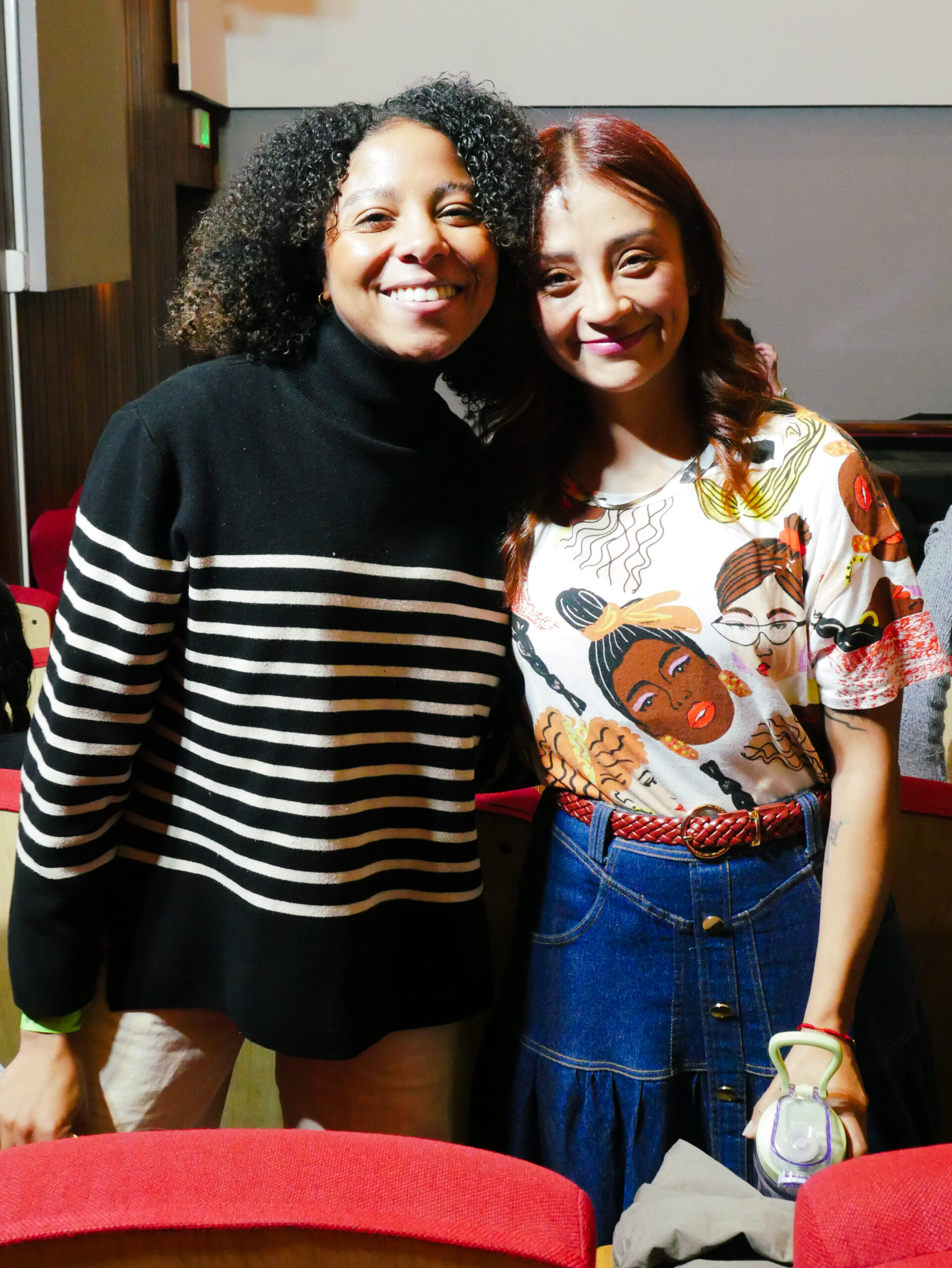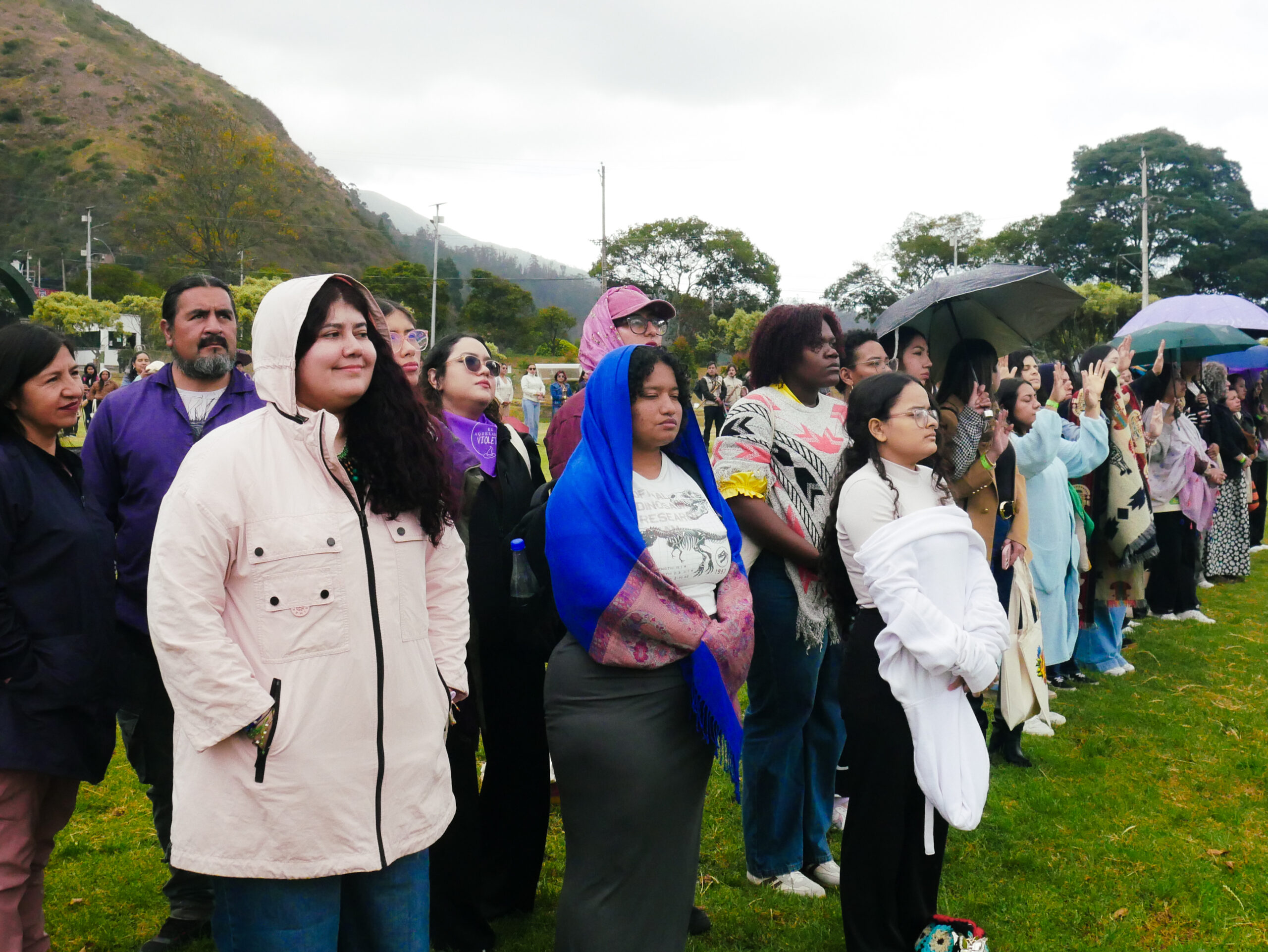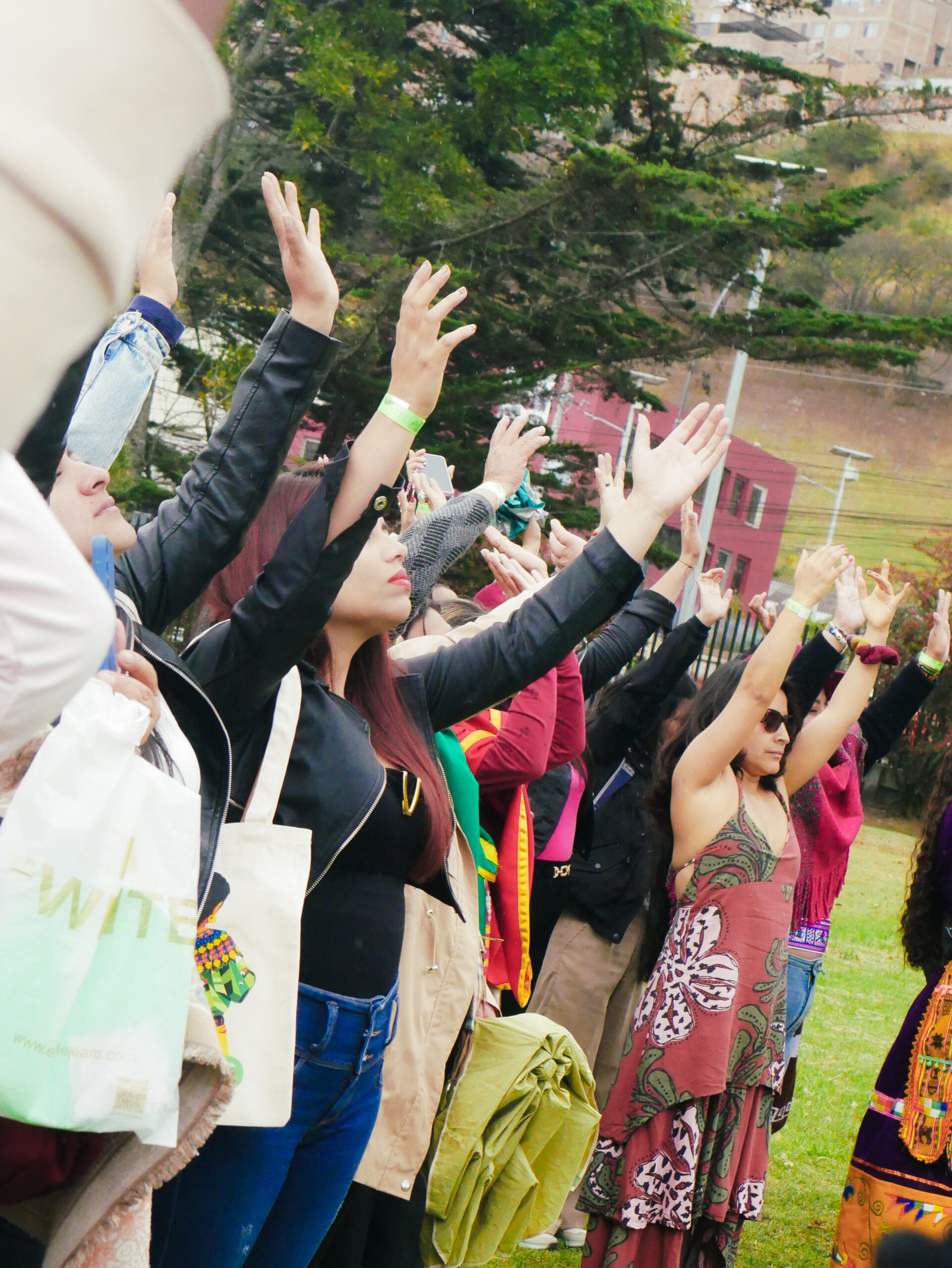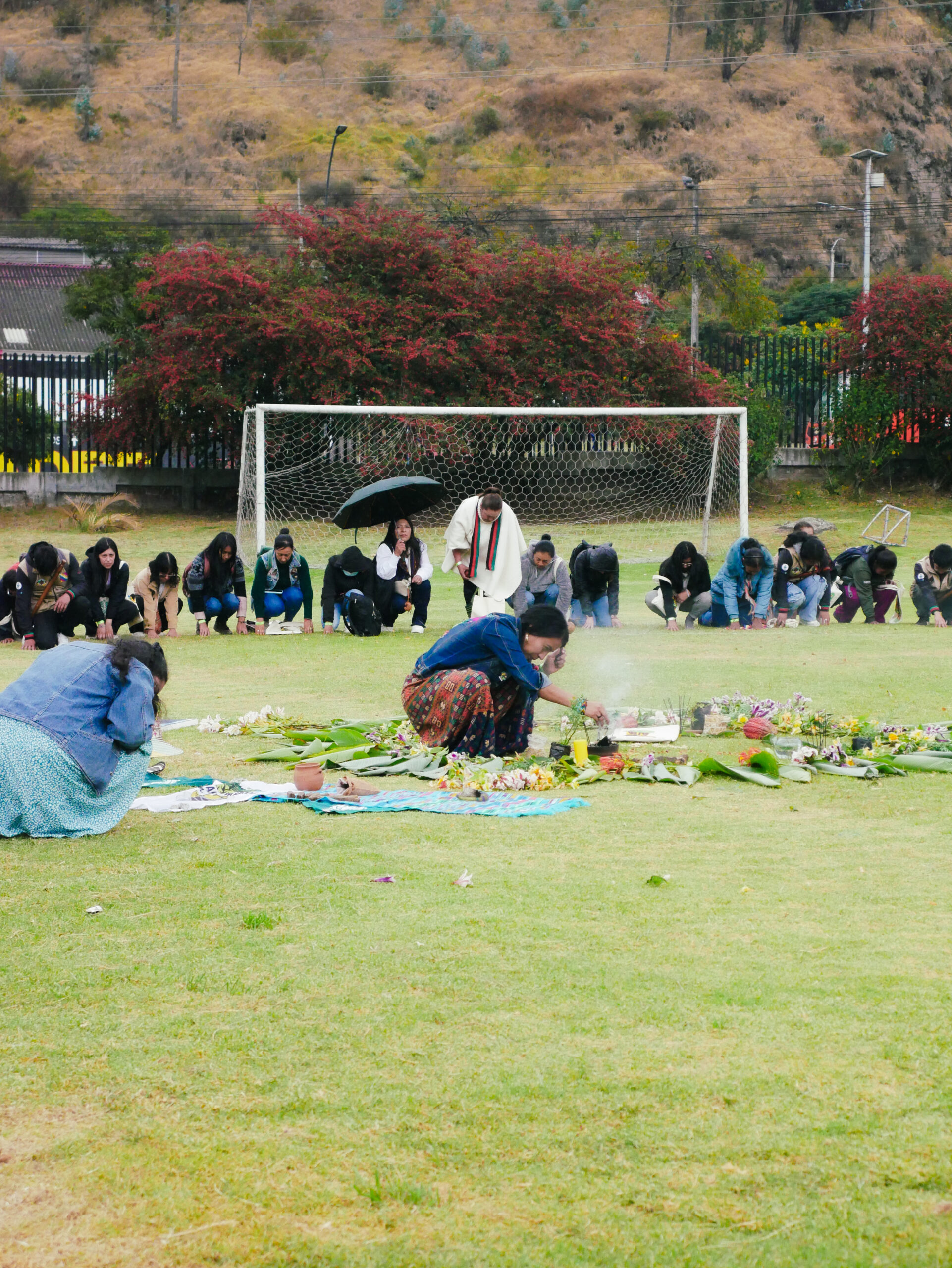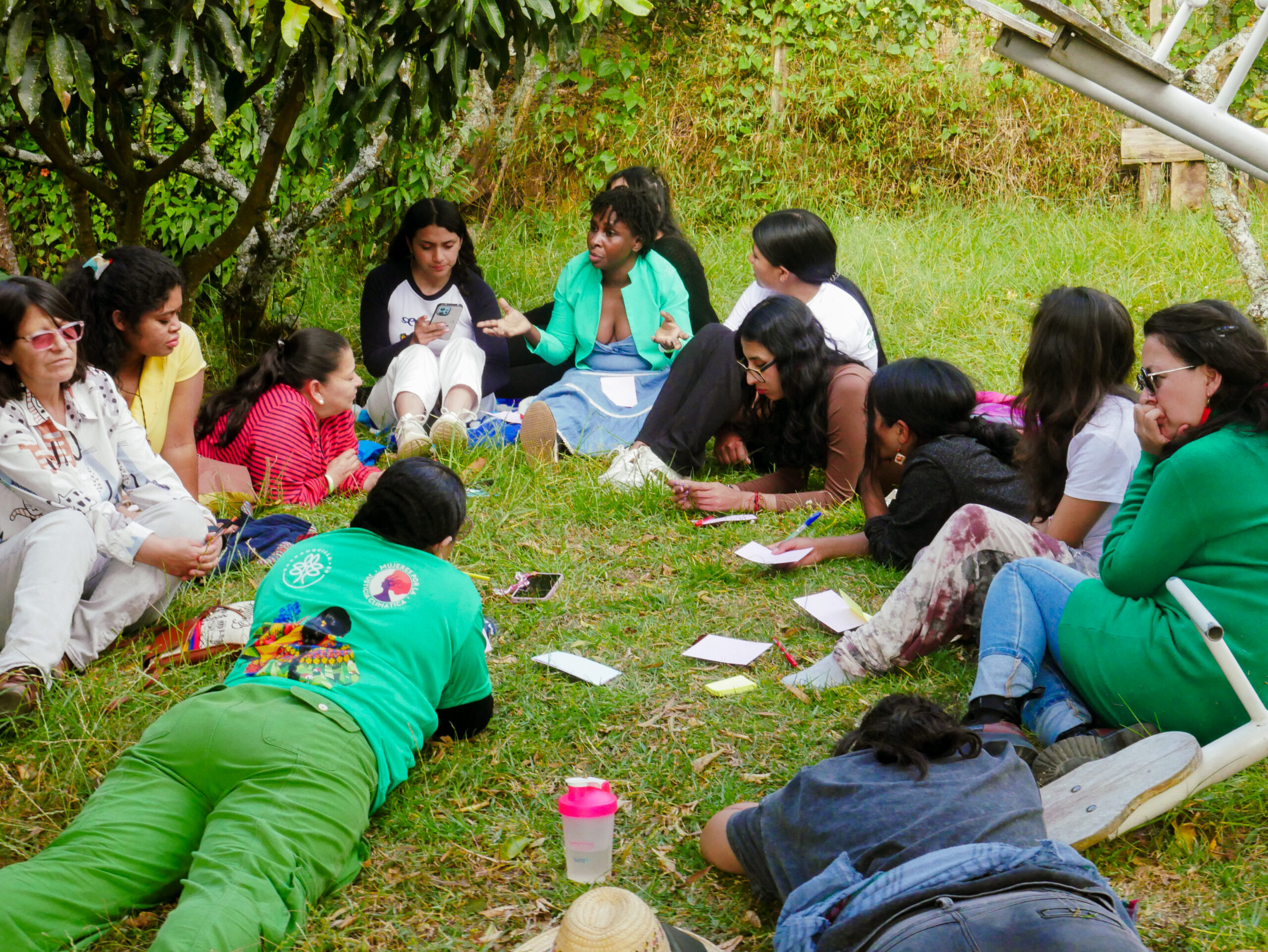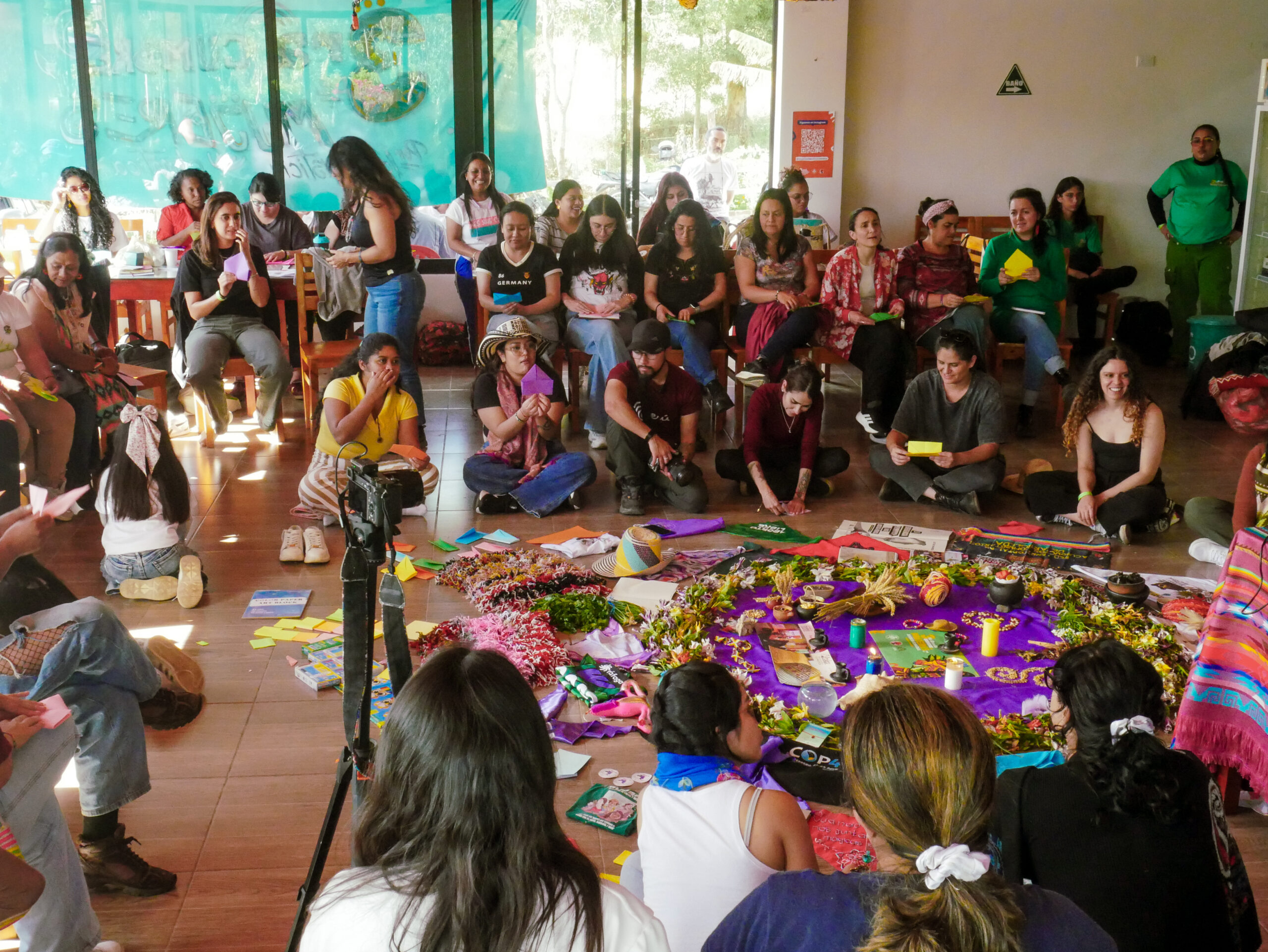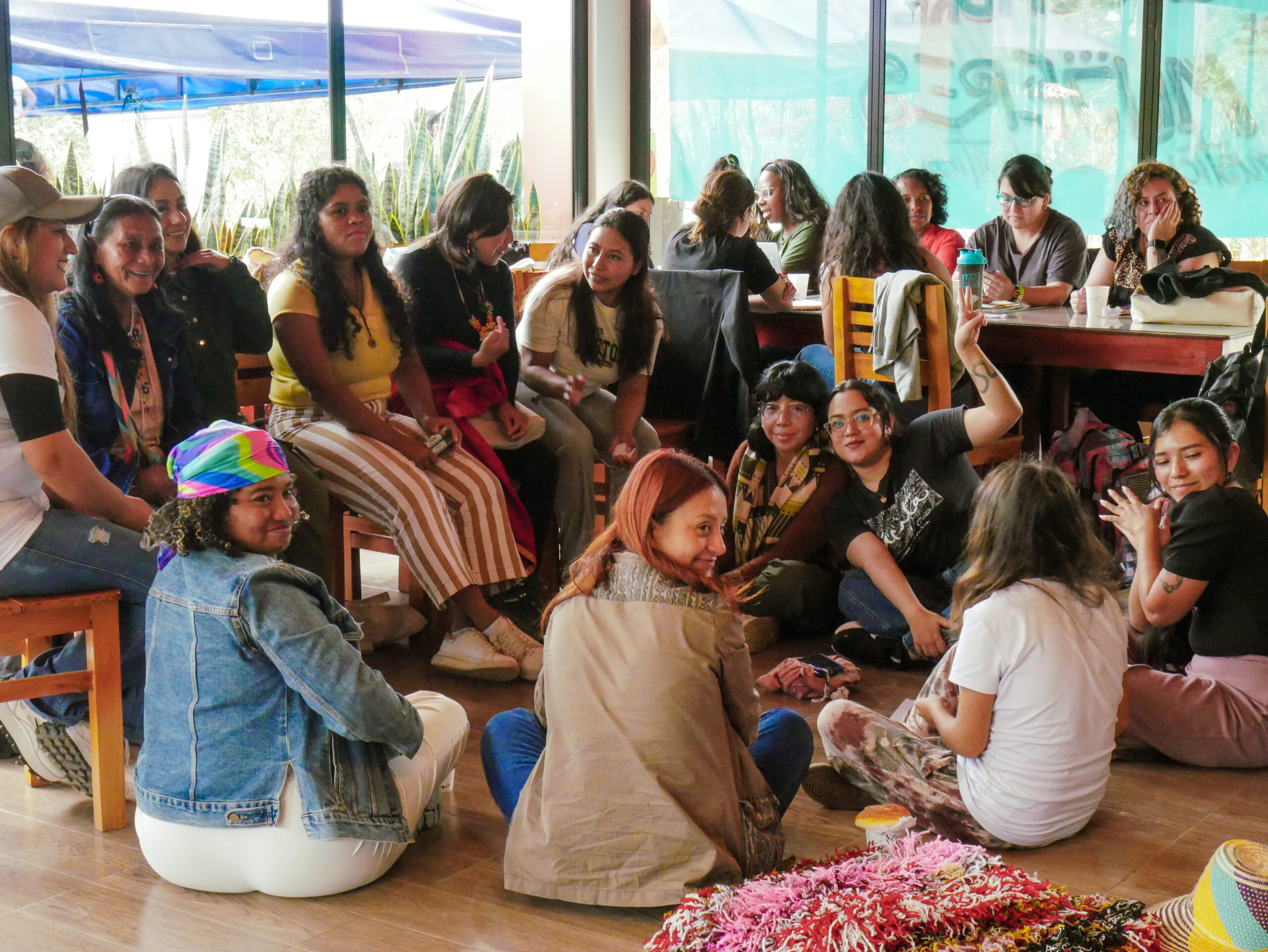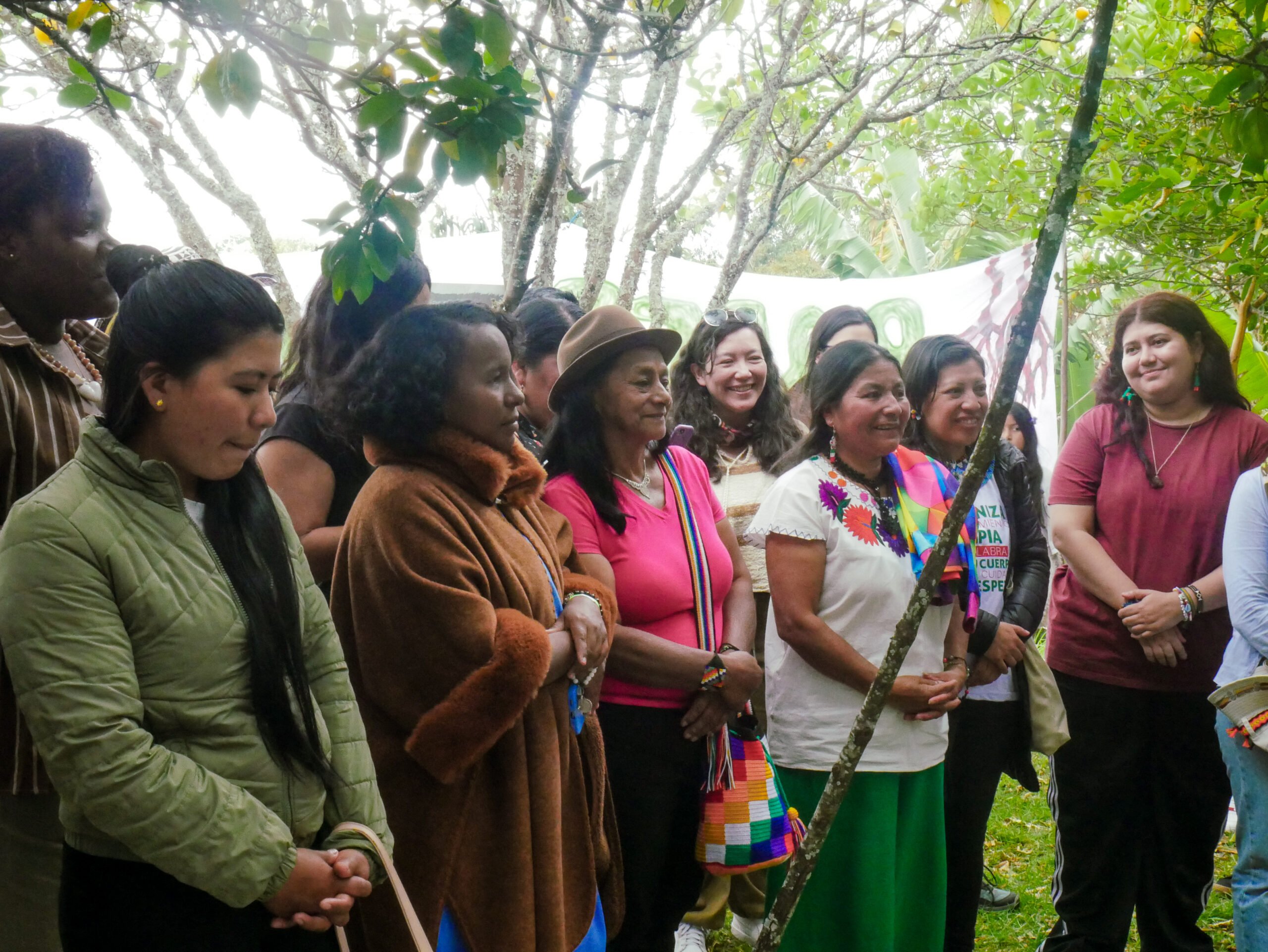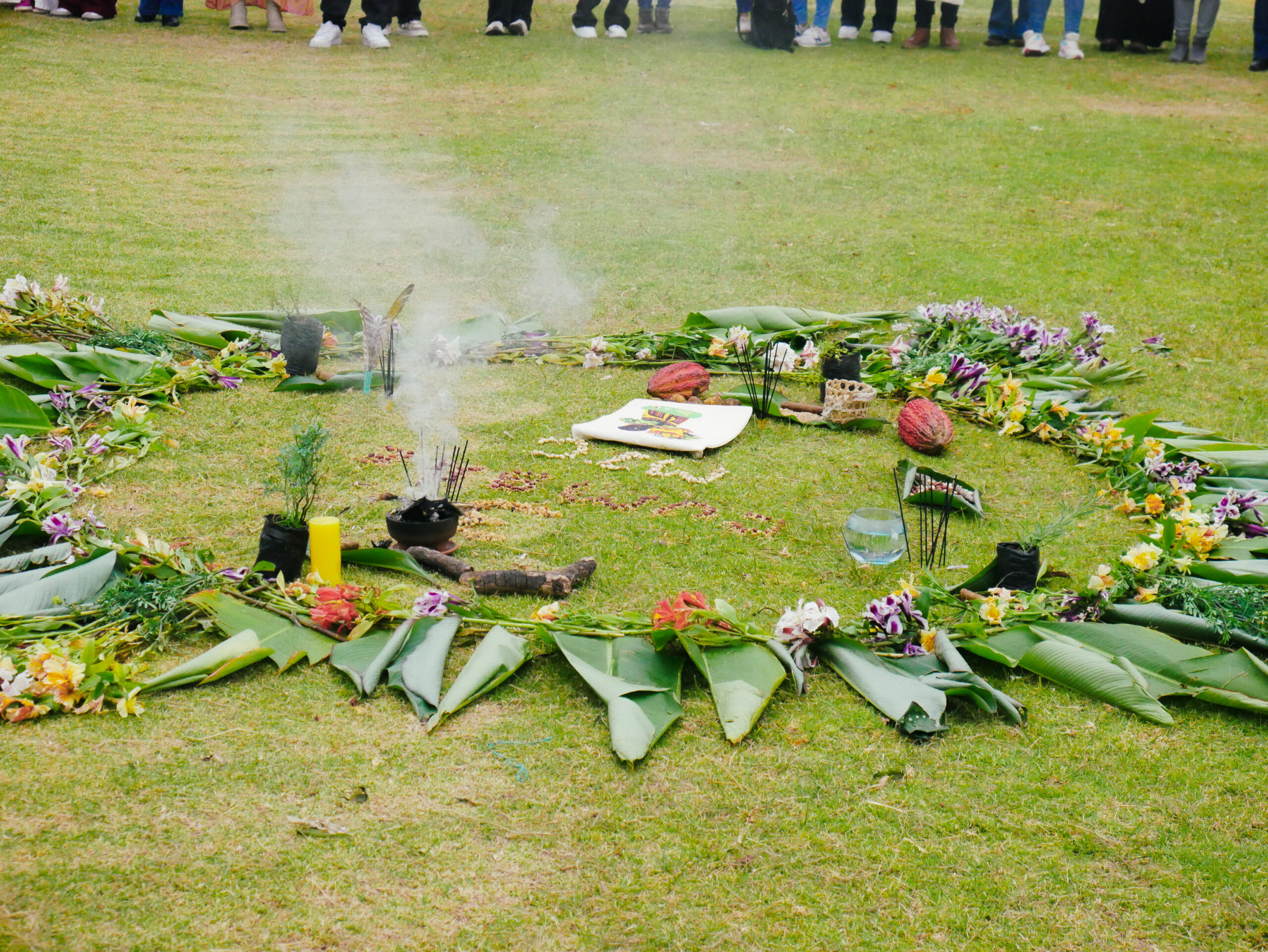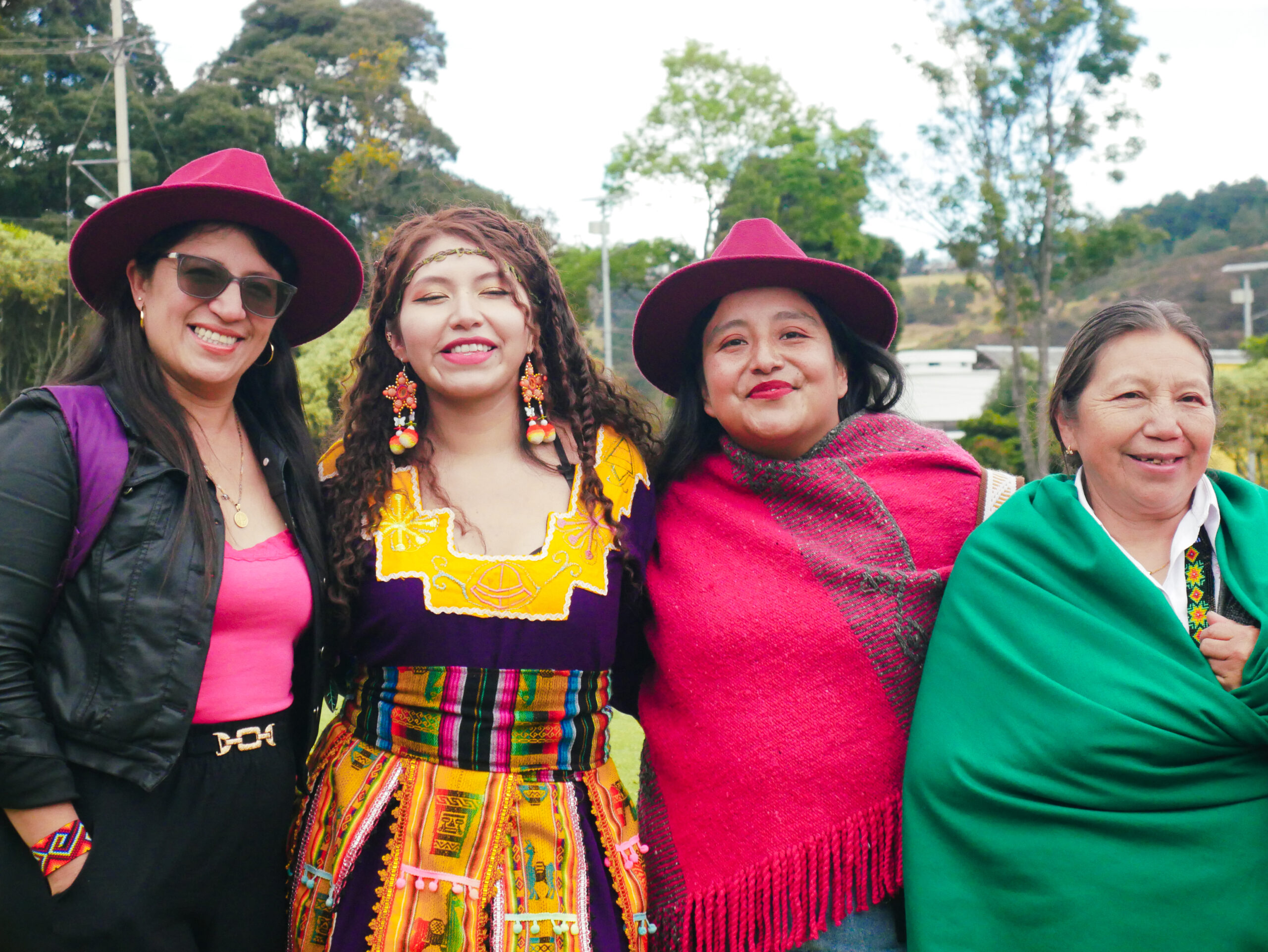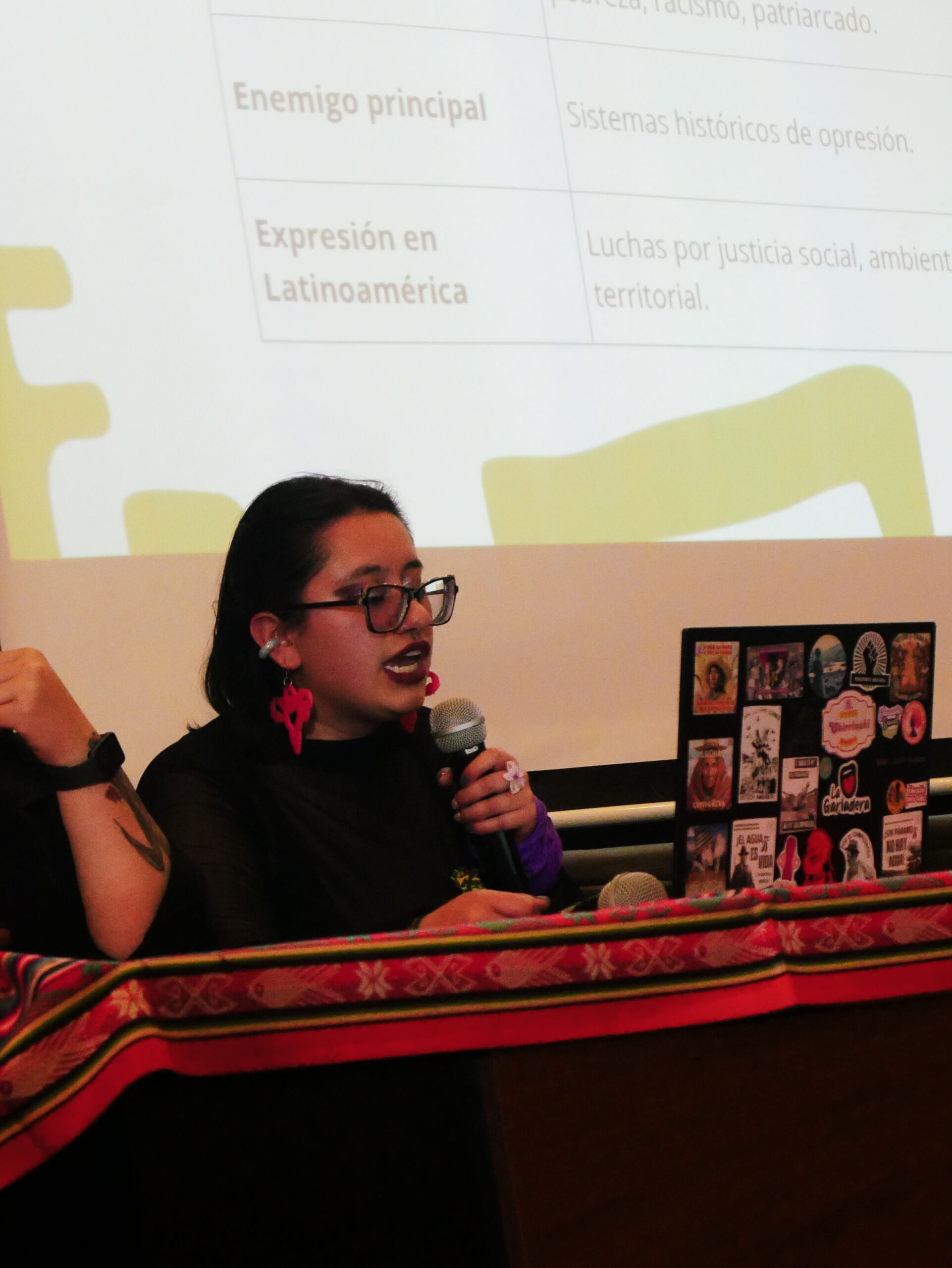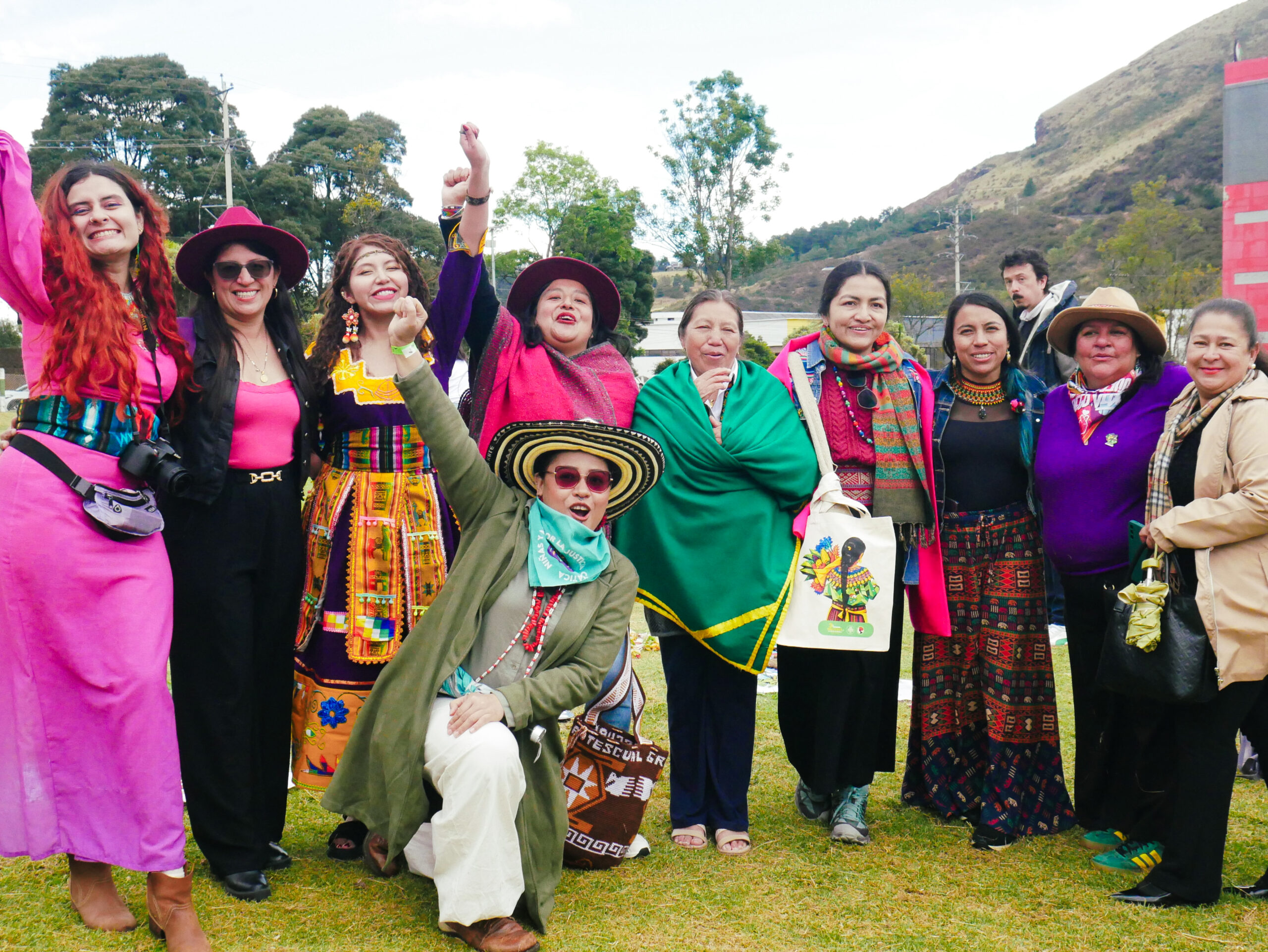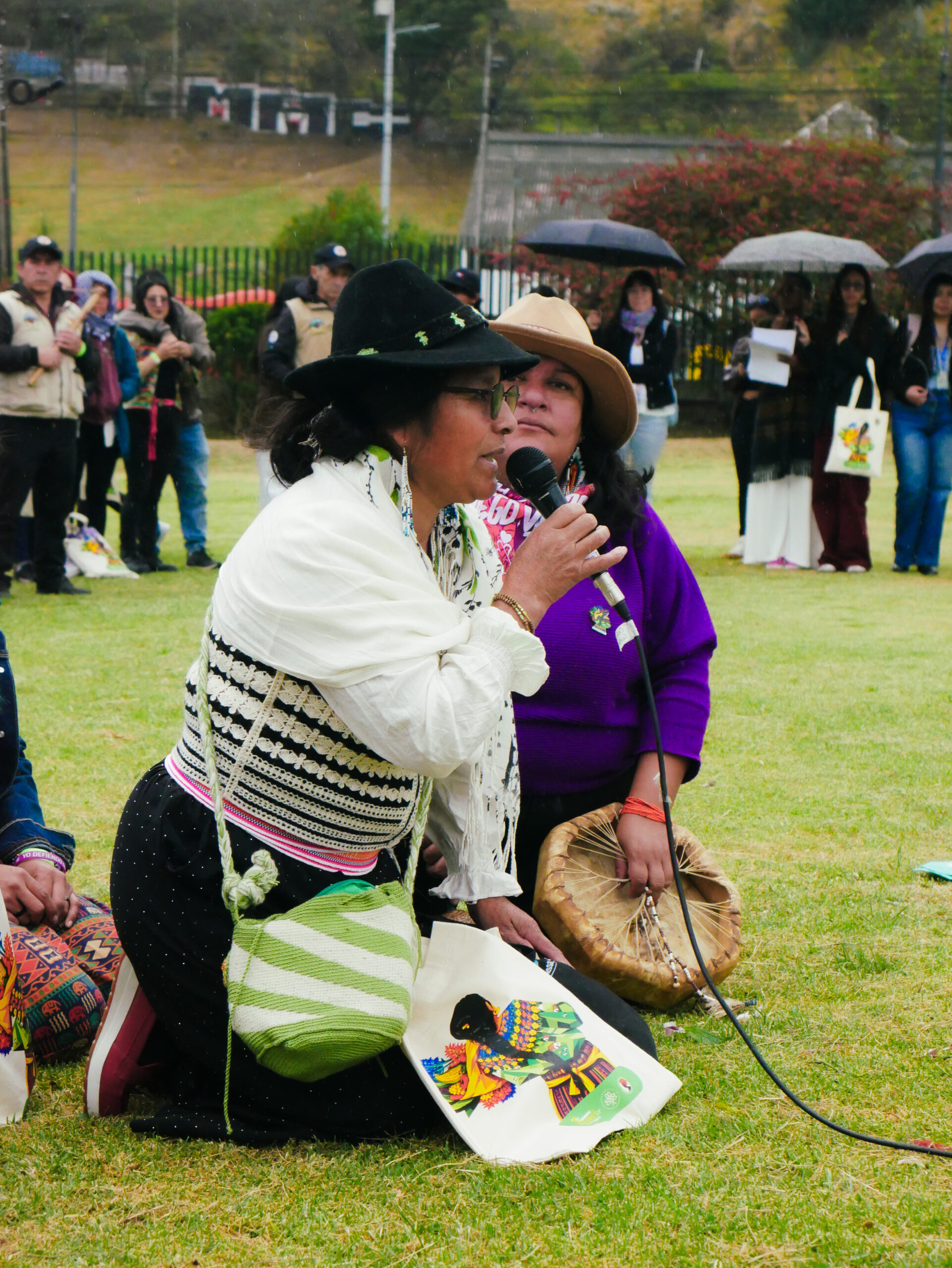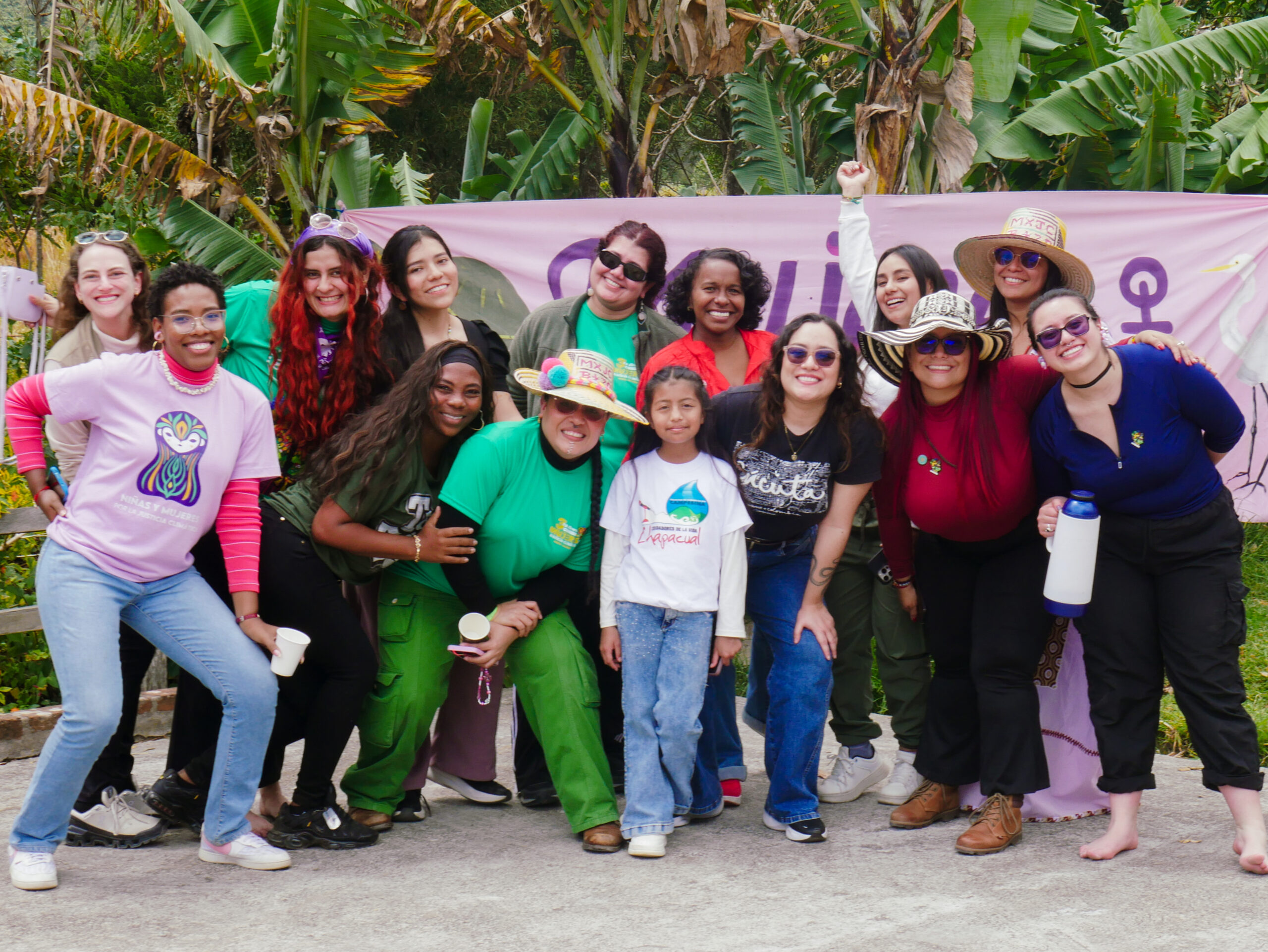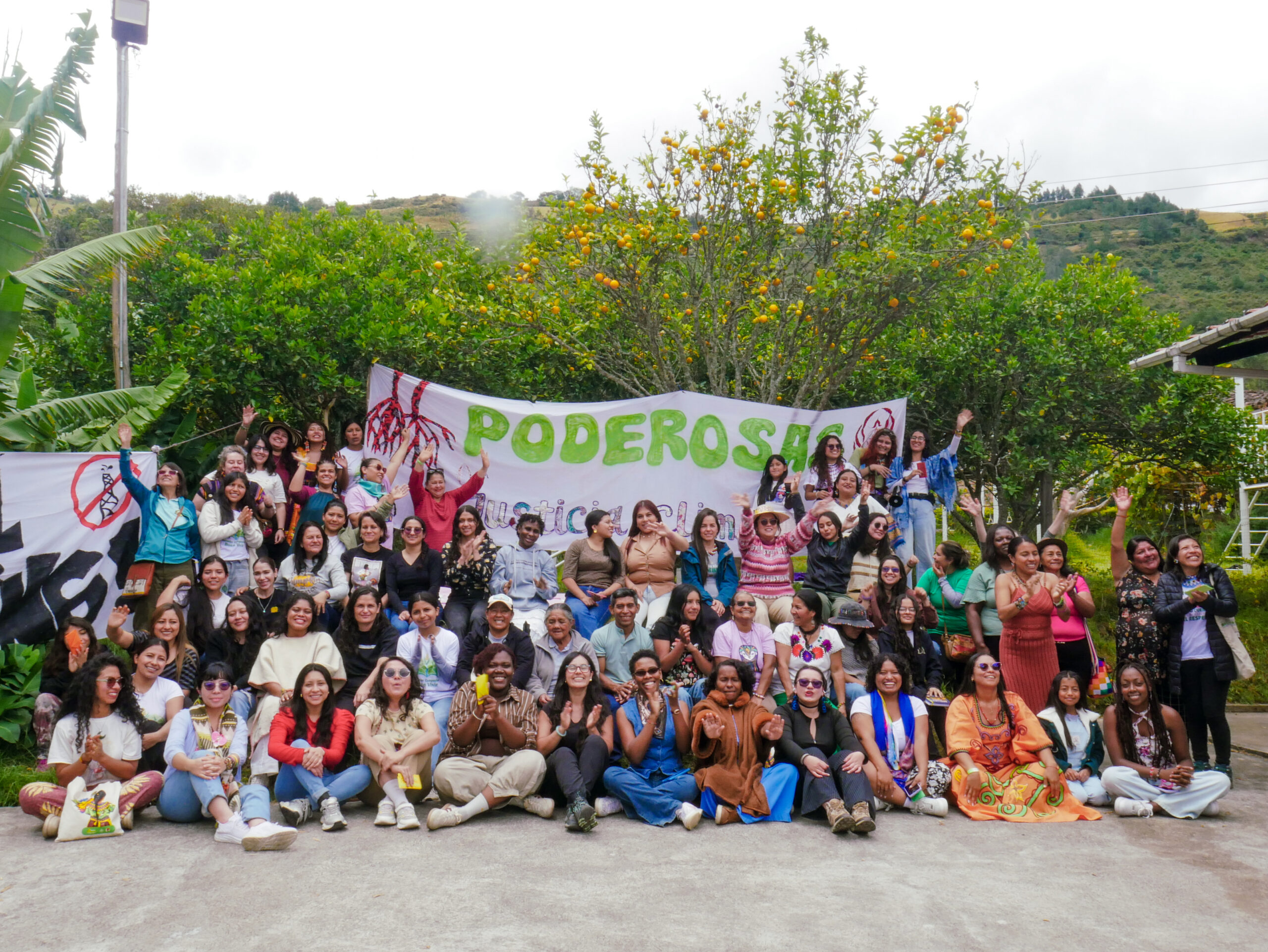
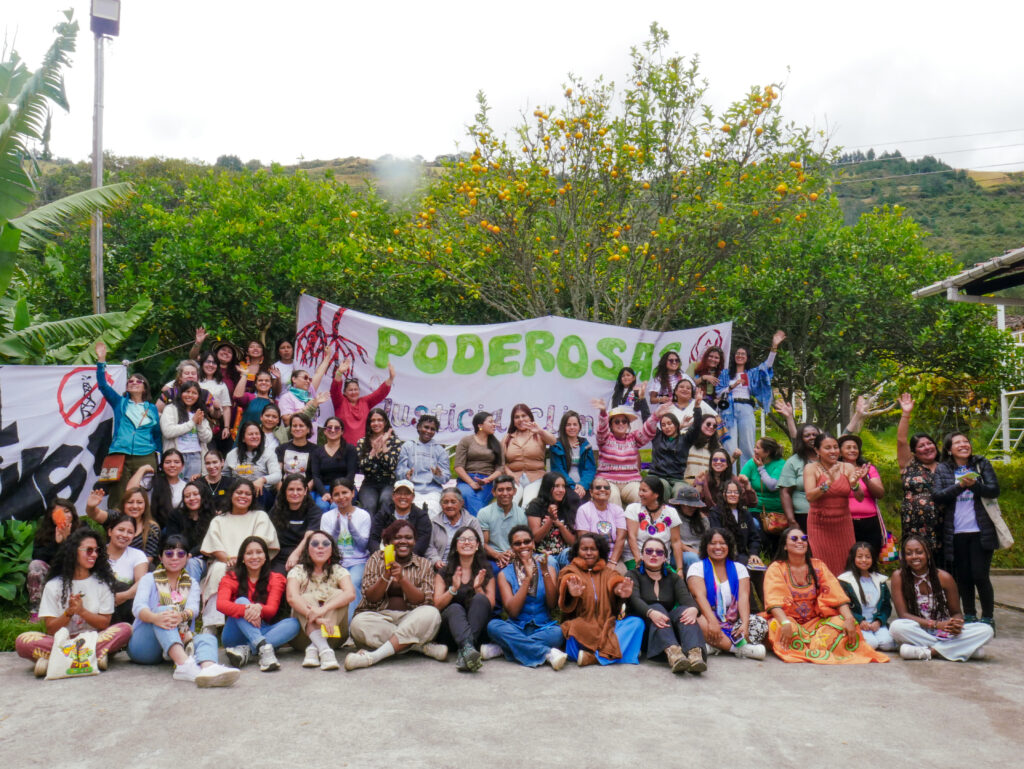
La Red de Mujeres por la Justicia Climática sigue tejiendo encuentros para fortalecer las voces, los saberes y las apuestas de las mujeres frente a la crisis climática. Después de dos cumbres, en Bogotá (2022) y La Guajira (2024), la tercera cumbre se realizó en 2026: el 24 de julio en Pasto, Nariño, y el 25 y 26 de julio en Chapacual, Yacuanquer, Nariño: durante tres días de juntanza, diálogo y construcción colectiva.
Este encuentro se tejió junto a la Red de Escuelas Campesinas de Chapacual, Yacuanquer, Nariño, en el marco del proyecto Juntanza Climática Feminista.
Un espacio para seguir reconociendo que las soluciones a la crisis climática ya las están construyendo las mujeres desde sus territorios, desde el cuidado, la defensa de la vida y la memoria.

The First International Conference for the Transition Beyond Fossil Fuels, held in Santa Marta, Colombia, was an international forum for dialogue and advocacy on a just energy transition. A delegation of 10 women participated: 4 from the Barranquilla+20 team and 6 from the Women's Network for Climate Justice. They shared experiences, perspectives, and proposals developed within their communities, positioning care as a key aspect of climate infrastructure and emphasizing the need for an energy transition based on climate justice and community knowledge.

This space opened a necessary reflection on the impact of gender-based violence on women, girls, local communities, and nature in the context of the climate crisis. The conversation questioned the historical role of men in power structures—including extractive multinationals—and how certain models of masculinity have been disconnected from environmental stewardship. From the Global South, the proposal was to recognize harmful behaviors and assume responsibility for transforming them to move toward more just, empathetic, and sustainable relationships.

The Women Caregivers Diploma program is a theoretical, practical, and intersectional training project that connects care work and climate justice from the feminist perspectives of Abya Yala and other Global Souths. The program understands care work as fundamental political, community-based, and territorial practices for sustaining life in contexts of climate crisis. The proposal combines popular education, participatory action-research and systematization of experiences, with the aim of strengthen the voices and strategies of women as care-givers and to build a political document of incidence that will be presented in the COP30 of the UNFCCC (Brazil, 2025), by contributing to a climate action feminist and transformational.